
Indonesia’s Workers and the Roots of the Drug Crisis
Introduction
Indonesiaʼs rapid economic transformation, driven by capitalist imperatives and a historical legacy of imperialist exploitation, has created a new “speed economy.ˮ In this high-pressure environment, methamphetamine (locally known as sabu-sabu) has become a tool for workers to cope with extreme labor conditions and systemic marginalization. From truck drivers in North Sumatra to unemployed youths in Aceh, the drug crisis reveals the savage convergence of capitalismʼs demands and imperialism’s lingering toxin. This article examines the structural roots of Indonesiaʼs drug epidemic, highlighting how capitalist exploitation and imperialist legacies push workers toward chemical dependence, while government narratives obscure these systemic failures.
Truck Drivers and the Struggle for Survival

At the notorious border highway between North Sumatra and Aceh provinces, snaking through endless oil palm plantations, truck drivers confront not only physical perils but crushing economic pressures. Bandits roam this isolated highway, targeting transport trucks to steal valuable goods, with losses deducted from driversʼ meager wages. To evade these threats and meet tight delivery schedules imposed by global logistics chains and e-commerce giants like Shopee and Tokopedia, drivers often form convoys for safety. While waiting, many smoke methamphetamine to stay alert and energized.
Methamphetamineʼs effects---euphoria, energy, and a sense of invincibility---enable truckers to work grueling hours without rest. The National Narcotics Agency BNN reports that 10% of workers in the transportation and warehousing sector used drugs in the past year, though conversations with drivers suggest the figure is significantly higher. This reliance on sabu-sabu is not a choice but a survival mechanism in a system that prioritizes profit over human well-being. Capitalist enterprises exploit workersʼ bodies, pushing them to rely on chemical aids to meet inhumane demands, while the risks of addiction and health deterioration are borne solely by the workers.
The Drug Crisis: A Symptom of Capitalismʼs “Speed Economyˮ
Indonesiaʼs drug epidemic is deeply rooted in the capitalist “speed economy,ˮ where workers are treated as disposable tools for profit. The rise of just-in-time delivery systems has intensified labor demands, particularly for truckers, delivery drivers, and gig economy workers. One worker explained, “I use [meth] at night to stay awake and keep working.ˮ This chemical dependence reflects the commodification of workersʼ bodies, as methamphetamine becomes a “productivity boosterˮ to sustain the relentless pace of modern labor. Workers are pushed to their physical and mental limits, only to be discarded when their health collapses, left to languish in poverty and despair.
The economic structure incentivizes this cycle. Capital extracts surplus value by squeezing every ounce of productivity from workers, while offering little in return---no job security, no healthcare, and no safety net. The result is a workforce trapped in a cycle of exhaustion and addiction, with methamphetamine serving as a temporary escape from the crushing weight of capitalist exploitation.
Acehʼs Despair: Imperialism and Economic Marginalization
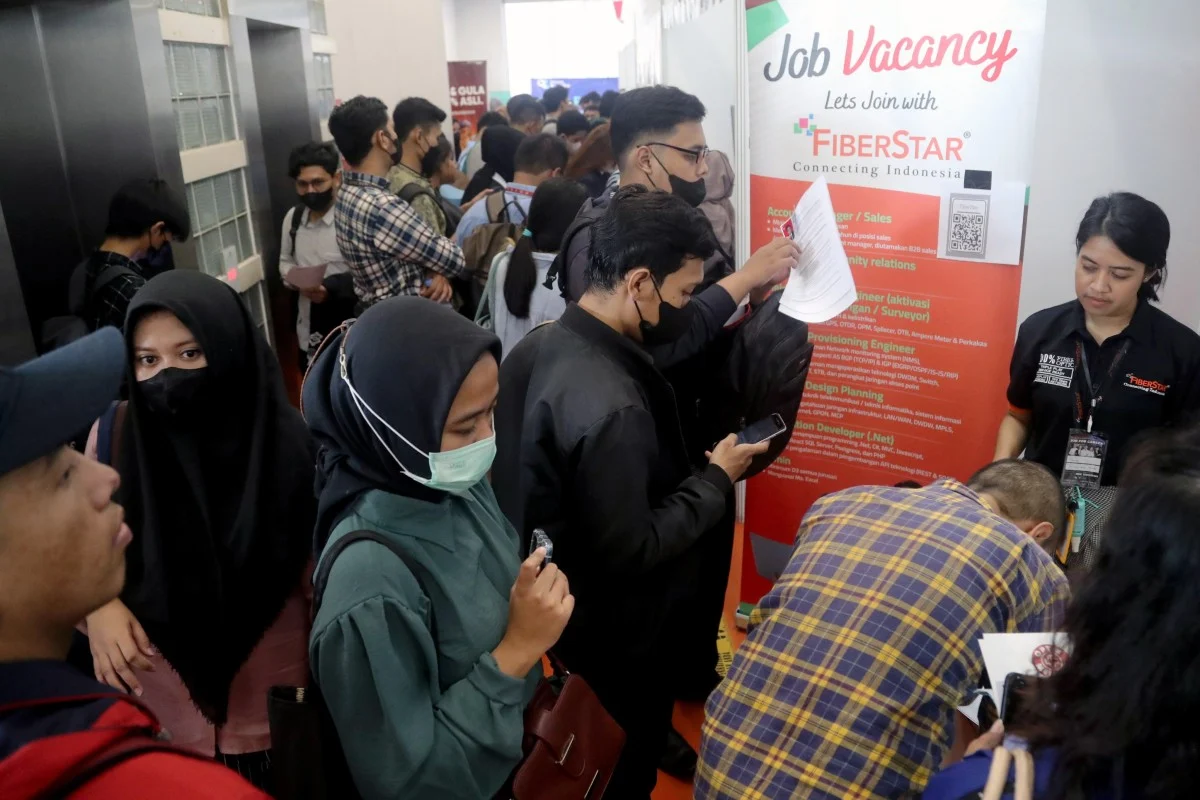
Aceh province, where fieldwork for this analysis was conducted, exemplifies the combined toll of imperialist legacies and capitalist neglect. The 2004 Boxing Day tsunami devastated the region, prompting an influx of international aid. However, by 2010, most aid had dried up, leaving behind crumbling infrastructure and an unemployment rate higher than the national average. Young people in Aceh, like Nyak, a former drug smuggler, feel abandoned by a system that concentrates wealth in Java while marginalizing outer provinces.
Nyakʼs story illustrates the desperation driving the drug trade. Recruited at 14 to smuggle methamphetamine from Malaysia, Nyak earned up to Rp 5 million (US$320) per trip---nearly double Aceh’s average monthly wage. Yet, dealers often paid him only a fraction upfront, trapping him in a cycle of debt and dependence. Acehʼs proximity to Myanmar, a global hub of methamphetamine production, has made it a key entry point for drugs smuggled via the Malacca Strait. The regionʼs mangrove forests and inlets provide cover for small fishing boats carrying illicit cargo, some destined for Australia, but much of it sold locally.
Nyakʼs addiction spiraled after he began using the drugs he smuggled, leading to high school dropout and rehab. Even in recovery, he faces bleak prospects: “I havenʼt graduated high school, and without connections, itʼs hard to find a job.ˮ The lack of opportunities in Aceh, a legacy of imperialist resource extraction and capitalist neglect, pushes youth toward the drug trade as one of the few viable economic options.
The Human Cost: Workersʼ Bodies and Minds Under Siege
The stories of Nyak, Ibrahim, and Saed reveal the class-based nature of Indonesiaʼs drug crisis. Ibrahim, a truck driver on the Banda Aceh-Medan route, began using sabu-sabu to cope with the demands of his job. Introduced to meth by his mentor, he relied on it to navigate dangerous roads and long hours. The drug also fueled his social life in Medan, where he spent earnings on nightlife, only seeking rehab after contracting an STI. Now, he fears returning to trucking: “If I go back, I know Iʼll start using again. But trucking is all I know.ˮ His story underscores how economic pressures intertwine with cultural expectations, particularly for men, who face intense demands to provide for their families in a society that equates masculinity with financial success.
Saed, a university-educated electrical engineer, turned to meth after failing to secure a job due to nepotism in hiring. What began as recreational use became a solitary habit, compounded by online gambling to escape feelings of worthlessness. “I didnʼt want to feel like a pemalas (lazy person),ˮ he said. Meth gave him a false sense of purpose, but his addiction deepened his financial and emotional struggles. These cases highlight how capitalism not only exploits workersʼ bodies but also erodes their mental health, fostering alienation and despair.
Government Hypocrisy: Blaming Workers, Absolving Capital
Indonesiaʼs government promotes the “golden generationˮ vision, aiming to transform its youthful population into a “qualified, competent, and highly competitiveˮ workforce by 2045. Yet, this narrative ignores the structural inequalities that define the lived realities of many young Indonesians. The BNNʼs 2023 National Survey on Drug Abuse, which estimates 3 million drug users nationwide, frames drug use as a threat to “national competitivenessˮ and a “damaged generation.ˮ Anti-drug campaigns target individual behavior, claiming drugs “destroy the mentality of the nation,ˮ while ignoring the capitalist systems that drive workers to substance use.
Draconian drug laws disproportionately punish working-class users and small-time dealers, while the global networks behind the drug trade---often linked to imperialist powers and their proxies---go untouched. This hypocrisy serves to protect capitalist interests, deflecting blame from the economic system onto vulnerable individuals. The governmentʼs rhetoric provides moral cover for exploitation, compelling workers to shoulder alone the savage toll of a profit-maximizing order that treats human lives as expendable.
Boredom and Exclusion: The Other Side of the Speed Economy
For those excluded from the “speed economy,ˮ drug use often stems from boredom and a sense of worthlessness. Saedʼs unemployment, despite his education, reflects a broader issue: systemic barriers like nepotism and a shrinking middle class prevent many young Indonesians from accessing opportunities. The governmentʼs push for a “developed economyˮ leaves behind those who cannot keep up, fostering feelings of failure and alienation. For some, like Saed, drugs offer a temporary reprieve from the psychological toll of being left out of Indonesiaʼs economic promise.
A Path Forward: Challenging Capitalist and Imperialist Structures
Indonesiaʼs drug crisis is not merely a public health issue but a symptom of deeper systemic failures. The capitalist “speed economy,ˮ built on the exploitation of workersʼ bodies and minds, thrives on the historical inequalities perpetuated by imperialism. Small, underfunded recovery centers, like the one in Aceh where patients find solace in farming and community, offer a glimmer of hope but cannot address the root causes. The centerʼs head takes recovering addicts to his farm, fostering a sense of purpose through collective work, yet systemic change remains elusive.
To end this crisis, Indonesia must confront the capitalist production model and its imperialist underpinnings. Only by dismantling these oppressive structures and building a socialist economy that prioritizes workersʼ dignity and well-being can the country liberate its people from the cycle of addiction and despair. The struggle against drugs is, at its core, a struggle against the dehumanizing forces of capitalism and imperialism.